Helping kids process tragedy through books: what parents should know.
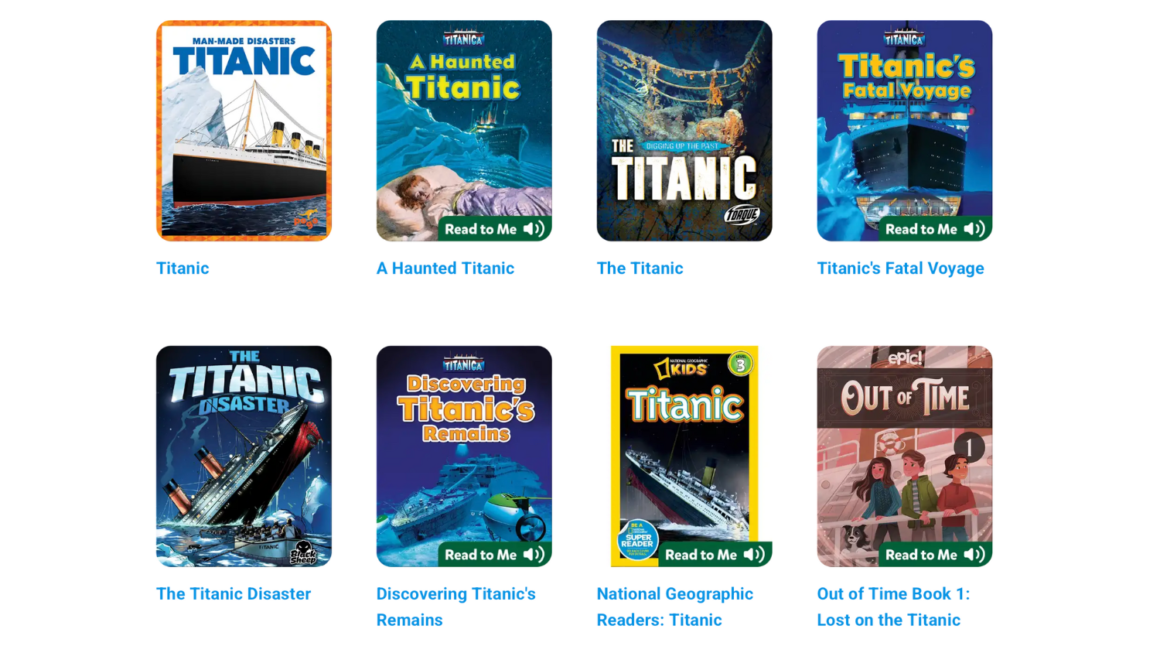
One day your kid is all about dinosaurs and silly fart jokes, and the next… they’re fascinated by the Titanic. Or an earthquake that leveled a city and killed thousands. Or the Challenger Space Shuttle explosion.
And you’re left wondering: Is it okay for kids to read about tragedy? Or think: My child wants to read about disasters—should I be worried? Should I take the book away?
Here’s what many psychologists, teachers, and librarians would say: Don’t panic.
In fact, lean in. Reading about real events can actually be a way of helping kids build resilience through books. And remember that there’s a lot to learn here, just like your friend who loves podcasts about murders or horror films.
Talking to kids about scary news through stories? Don’t panic. Here’s what to do instead.
When kids start gravitating toward stories about real-life tragedies, it’s often a sign of emotional development, not distress. Dr. Abigail Gewirtz, a child psychologist and author of When the World Feels Like a Scary Place, explains it this way: “Kids want to understand the world around them—including the parts that feel confusing or frightening. Books let them explore those questions safely.”
That’s why talking to kids about scary news matters—it helps them connect books to real-life context in healthy ways.
And here’s something else she emphasizes: It’s not about the tragedy itself. It’s about helping them build a narrative around it. A narrative where hard things happen. But where people survive and communities come together. Where there is also bravery, compassion, and recovery.
Why do kids seek out scary real-life stories?
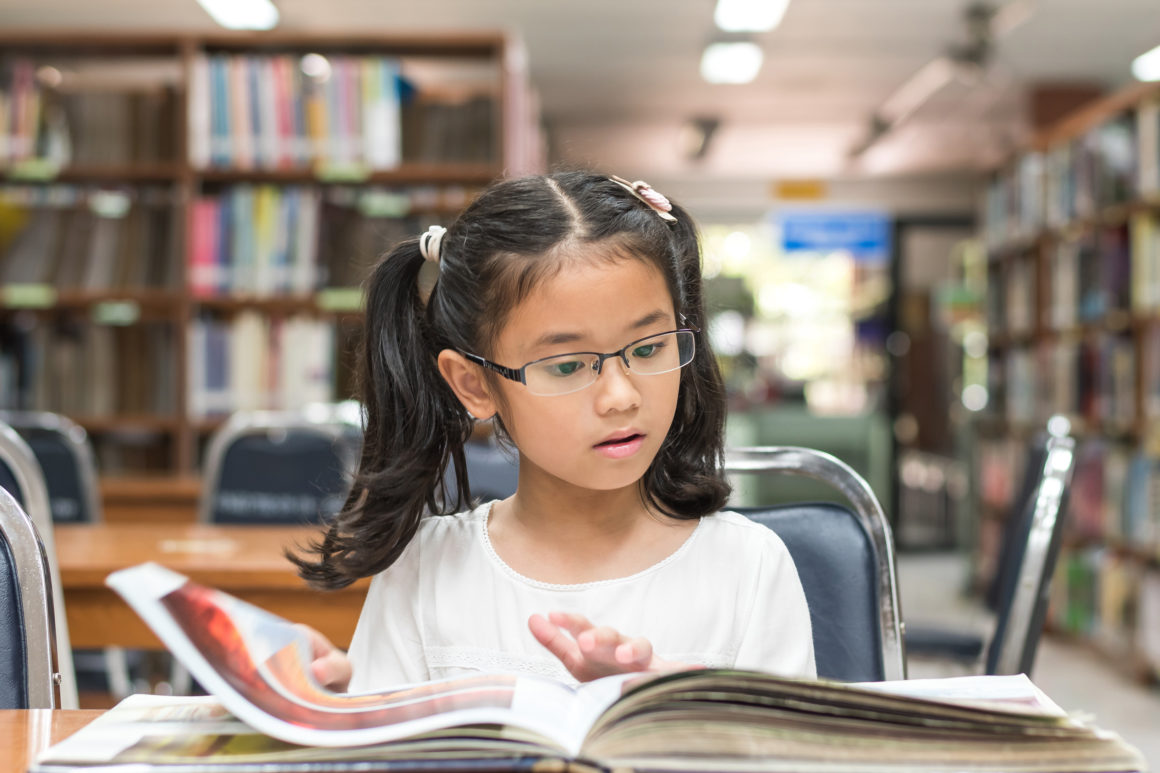
Psychologists have long studied how children respond to scary content. And what they’ve found might surprise you: There are real benefits of reading about difficult subjects for kids—wars, disasters, injustice. They can actually improve mental health when processed with care.
Dr. David Schonfeld, director of the National Center for School Crisis and Bereavement, says that books can serve as powerful tools for helping children prepare for and cope with adversity. They allow children to develop emotional vocabulary, empathy, and problem-solving skills. In other words: when children are asking about tragic events in books or reading about something tragic—they’re rehearsing how to think and feel through hard things.
And kids are wired to do this kind of practice through stories.
Think about how many fairy tales involve dark forests, evil queens and monsters. Classic children’s literature is packed with danger, and children have always used stories to face their fears, make sense of the world and imagine themselves overcoming it. The same thing happens when they read about real disasters.
*Save 25% on an annual subscription. Promo ends September 21, 2025.
Books for kids about natural disasters can help kids work through big feelings.
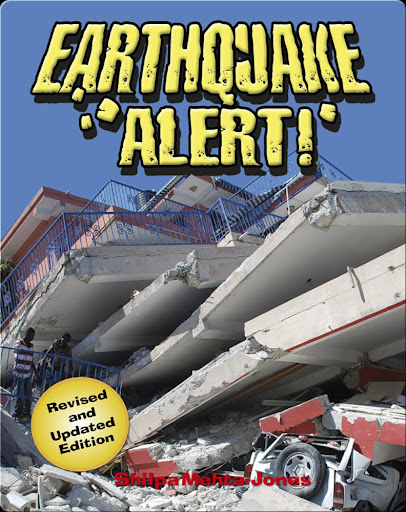
Let’s take “Earthquake Alert!” by Shilpa Mehta-Jones, a nonfiction title on Epic. The cover shows buildings collapsed into rubble. It’s stark and unsettling. But open the book, and what unfolds is a steady, grounded explanation of what earthquakes are, why they happen, and what people do in the aftermath. This is how books can help manage anxiety through stories.
The story doesn’t avoid reality—it respects it. And through that respect, it helps kids feel steadier.
Now imagine a child reading that book after hearing about a recent earthquake on the news. Maybe they ask: Could that happen here? That’s your invitation to start a powerful conversation.

Experts recommend four steps for discussing sad news with children:
- Start with what your child knows. Ask open-ended questions. Let them talk.
- Correct misinformation. Sometimes what’s scary is simply not knowing. Facts help calm the imagination.
- Name the feelings. Say things like, “It’s okay to feel scared,” or “That would make me feel worried too.”
- Model calm curiosity. Help your child notice not just what happened—but how people responded with courage and kindness.
Dr. Bruce Perry, a renowned child psychiatrist and trauma expert, explains that kids build emotional regulation through “patterned, repetitive and rhythmic experiences.” Reading together is one of the best ways to create that pattern. It’s calming. It’s bonding. And when the book touches on a hard subject, it gives kids a way to ask questions they might otherwise keep to themselves.
What about really tough topics—like the Holocaust?
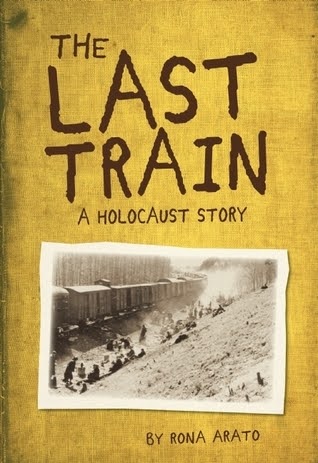
You can also check out “The Last Train,” the true story of young brothers Paul and Oscar surviving the Nazi occupation. Through hope, courage, and resilience, kids learn about history and empathy in an age-appropriate way.
You might worry that a book about the Holocaust or slavery is too dark. And of course, developmentally appropriate content matters. Not every book is right for every age. It’s natural to ask if age-appropriate Holocaust books exist.
But when the book is written for kids—like “The Last Train: A Holocaust Story” by Rona Arato—it’s designed with emotional safety in mind. These books honor the real history while anchoring kids in humanity, context, and resilience.
Reading about real tragedies also helps kids develop a moral compass. It helps them understand injustice and learn to recognize fairness, part of building what psychologists call prosocial behavior—the ability to empathize and act compassionately toward others. That’s the benefit of children’s books about real-life hardship: They open doors to empathy.
From curiosity to compassion: Talking to kids about scary news through reading.

Reading about real-life disasters isn’t about scaring kids. It’s about helping them process tragedy through books and how they might act when the world feels uncertain. It’s about building the emotional tools they’ll need—long before they’re called upon to use them.
Books like “If You Were a Kid Aboard the Titanic” by Josh Gregory don’t just report the facts. They let kids imagine themselves in the story. What would you do? Who would you help? Where would you find courage?
And that’s exactly the kind of reading that strengthens not just literacy, but character. So the next time your child reaches for a book that seems “too heavy,” pause before you redirect. These are the moments when explaining sad events to children becomes easier. Sit down beside them. Ask what they’ve noticed. Read a few pages together.
Then ask: How did that make you feel? What would you have done?
And just like that—you’re helping your child grow wiser, braver, and more ready for the world.
*Save 25% on an annual subscription. Promo ends September 21, 2025.
Frequently Asked Questions
Is it okay for kids to read about disasters or tragic events?
Answer: Reading about real-life tragedies can help children develop empathy, emotional resilience, and problem-solving skills—especially when guided by a parent.
Why are kids fascinated by scary or sad stories?
Answer: Children are naturally curious about the world. Reading about challenging events allows them to process complex emotions safely and practice understanding difficult situations.
How can I talk to my child about scary news or real-life tragedies?
Answer: Start by asking what they know, correct misinformation gently, name feelings, and model calm curiosity. Use books as a tool to create conversation and context.
What age-appropriate books teach kids about real-life disasters?
Answer: Nonfiction books like Earthquake Alert! or If You Were a Kid Aboard the Titanic explain events factually while helping children develop empathy and resilience.
Can reading sad or scary books help children build emotional resilience?
Answer: Yes. Books allow kids to explore emotions, understand consequences, and practice coping strategies in a safe and structured way.